Para perguntas sobre nossos produtos ou lista de preços, deixe-nos e entraremos em contato dentro de 24 horas.
Calçados de segurança ou sobrecalçados de segurança para visitantes? Este guia explica as diferenças, os casos de uso e as considerações sobre EPI para ambientes industriais e de armazém.
Em ambientes industriais por toda a Europa, a segurança dos visitantes é um desafio constante. As instalações devem garantir a conformidade com as normas de segurança do trabalho, ao mesmo tempo que gerenciam o acesso de curto prazo de clientes, auditores, inspetores e contratados. Uma dúvida comum durante o planejamento de EPIs é se sobrecalçados de segurança ou sapatos de segurança são mais apropriadas para visitantes.
Embora ambas as opções ofereçam proteção aos pés, elas têm finalidades fundamentalmente diferentes. Escolher a solução errada pode levar a custos desnecessários, baixa adesão ao tratamento ou proteção ineficaz.
Sapatos de segurança São concebidos para uso profissional diário. Destinam-se a trabalhadores que passam longos períodos no local de trabalho e realizam tarefas físicas. Estes calçados são certificados como EPI completo e devem ser usados de forma correta e consistente.
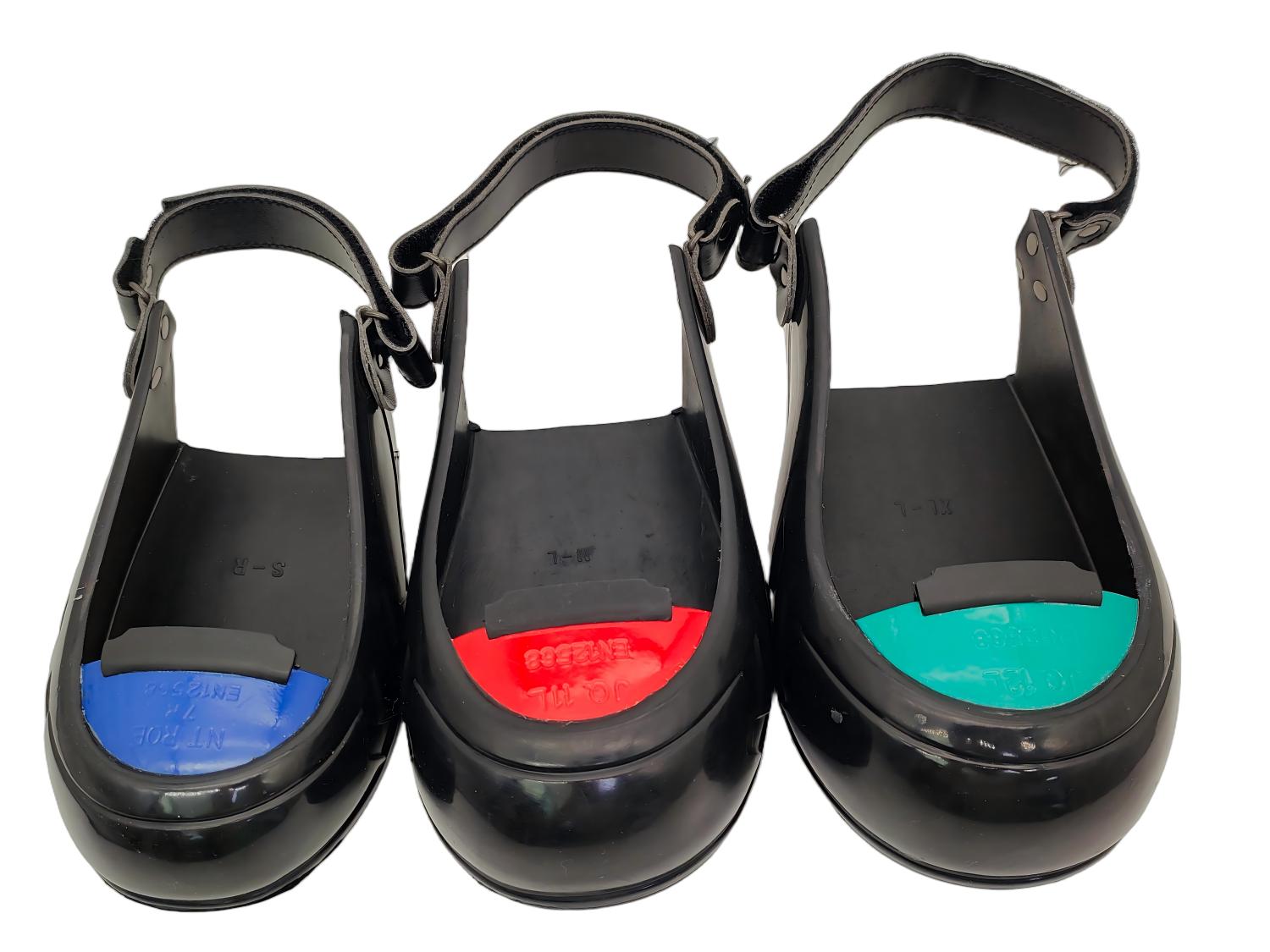
Calçados de segurançaEm contrapartida, as botas de proteção são concebidas para proteção temporária. São usadas sobre o calçado pessoal e destinam-se principalmente a visitantes que necessitam de aceder a áreas controladas sem terem de trocar de calçado.
A distinção não se resume apenas à qualidade da proteção, mas também a duração, responsabilidade e praticidade.
Geralmente, recomenda-se o uso de calçados de segurança quando:
Os visitantes realizam trabalho prático ou operações manuais.
As visitas ao local duram várias horas ou vários dias.
O visitante está, na prática, atuando como um trabalhador temporário.
A política do local exige o uso completo de EPI (Equipamento de Proteção Individual) por todos os funcionários.
Nesses casos, o fornecimento de calçados de segurança certificados garante proteção consistente e responsabilidade clara.
As sobrecalçadas de segurança são frequentemente a solução preferida quando:
As visitas podem ser de curta duração ou guiadas.
Os visitantes não estão realizando tarefas físicas.
Há uma alta rotatividade de visitantes.
As instalações precisam de distribuição rápida e controlada de EPIs.
Para muitas fábricas e armazéns, as sobrecalçadas de segurança permitem o cumprimento das normas sem interromper o fluxo de visitantes ou aumentar a complexidade administrativa.
Do ponto de vista da gestão de instalações, as sobrecalçadas de segurança oferecem diversas vantagens:
Não há necessidade de manter em estoque tamanhos individuais de calçados.
Instalação e remoção mais rápidas
Higiene e gestão de armazenamento facilitadas
Redução do custo a longo prazo para acesso frequente de visitantes.
Os calçados de segurança, embora ofereçam proteção completa, exigem controle de tamanho, limpeza, substituição e responsabilidade do usuário, o que pode não ser prático para visitantes ocasionais.
As normas europeias de segurança no trabalho enfatizam Seleção de EPI baseada em riscoIsso significa que o calçado escolhido deve ser adequado ao nível de exposição real. Para percursos de visitantes com circulação controlada e exposição limitada a riscos, as galochas de segurança com proteção para os dedos e resistência ao deslizamento são geralmente consideradas suficientes.
Políticas internas claras devem definir:
Quem se qualifica como visitante?
Em que áreas é necessário o uso de sobrecalçados em vez de sapatos de segurança completos?
Limites de duração para o uso de sobrecalçados
A documentação transparente facilita auditorias e inspeções.
Não existe uma resposta universal. A escolha correta depende do nível de risco do local, da duração da visita e da eficiência operacional. Muitas instalações adotam uma abordagem... abordagem dupla, utilizando calçado de segurança para os funcionários e sobrecalçados de segurança para os visitantes.
Para empresas que buscam uma solução estruturada de EPI para visitantes, as sobrecalçadas de segurança com biqueiras integradas são comumente usadas como parte de sistemas de controle de acesso, principalmente em ambientes de manufatura e logística.
 1504, Building B, Taidi Haixi Center, Hai Cang District, Xiamen, 361026, China.
 Jack
Jack Telefone: +86-592-6511408
 E-mail: info@workwaysafety.com